Consuelo Bradley planted sunflowers to fight the isolation of the pandemic. Now she is growing community gardens, for neighbors who need them most.
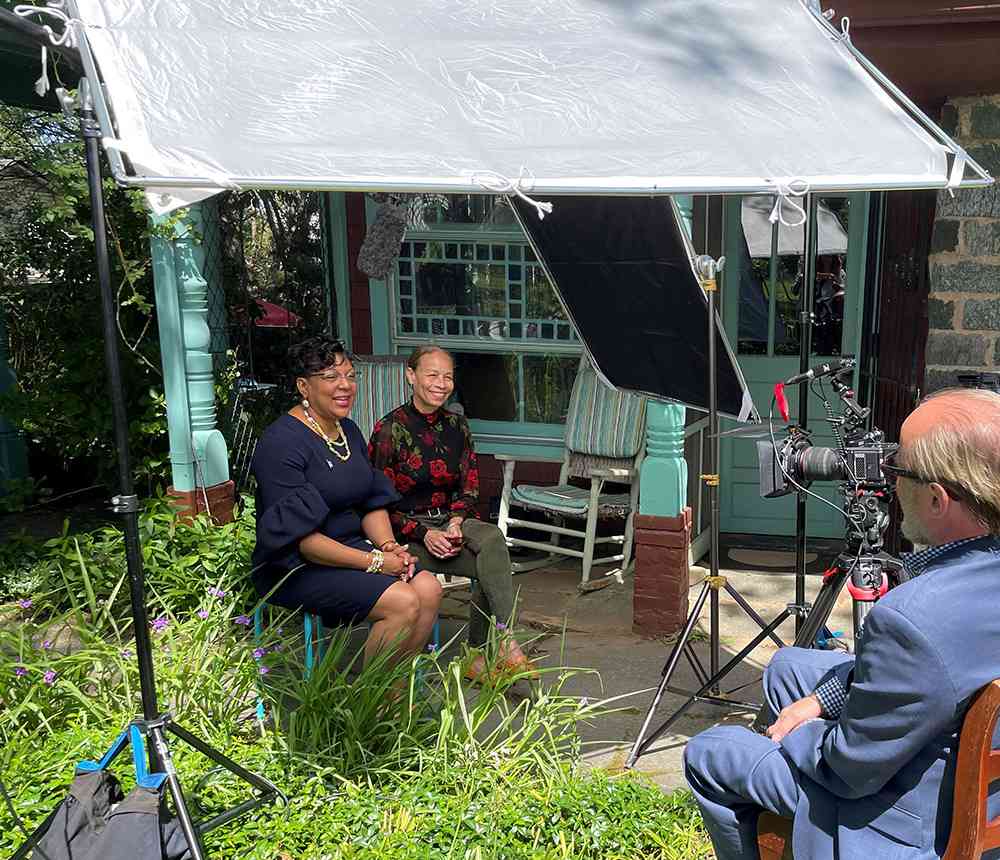
During the isolation of the pandemic, Consuelo Bradley planted her very first seeds in a backyard flowerpot.
Covid-19 had shut down her work as a school secretary and event planner in Montgomery, AL. Life had become overwhelming, and leaving home was suddenly a frightening thing. Through her phone, Bradley sought help from a therapist, who brought up the idea of “gardening therapy.”
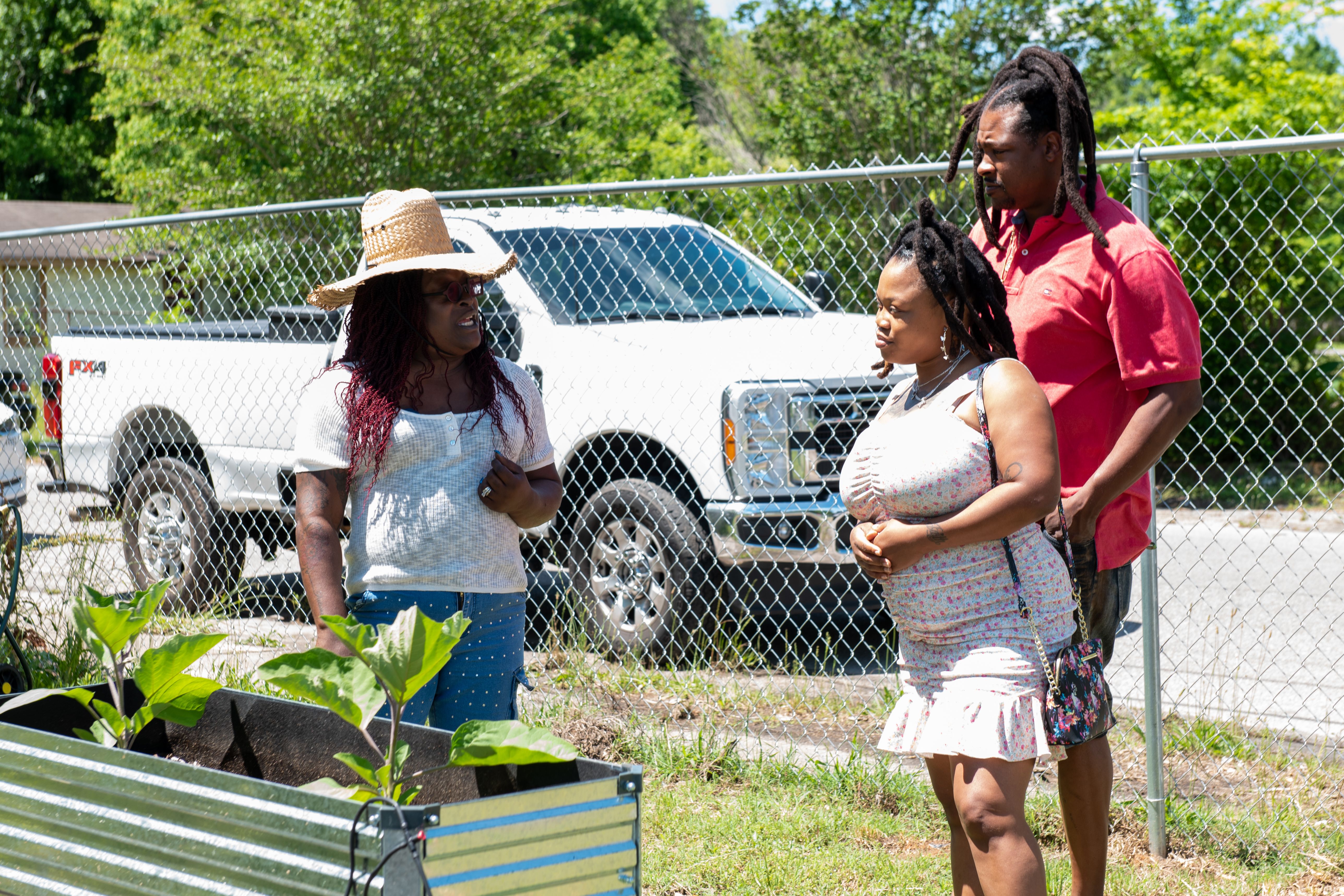
Bradley decided to give it a try. Her first effort, with help from her husband and her son, yielded sunflowers, much bigger than expected. And the experiment grew into a much larger endeavor than she could have imagined.
Gardening shifted her focus away from obsessive thoughts to more immediate ones: Why won’t my tomato plant grow? What is this spot? What else can I plant here?
“Once I got outside, that’s when I was like: Oh, this does feel better,” Bradley recalls. “There might be some-thing to this gardening therapy.” She realized that many other people would benefit from the same experience—but not everyone could afford it.
“In my family, when you get a gift, it’s your responsibility to give some back, or give back to somebody,” Bradley says. An idea began to germinate.
Before long, Bradley found a three-acre, state-owned lot available for sale in the historic neighborhood of Newtown. She had a vision of providing space for others to enjoy the benefits of gardening. The neighborhood was a food desert; residents had to drive five to ten miles to find fresh fruit or vegetables. Most residents were on low or fixed incomes, and many were seniors, unable to drive.
“I felt like those were the people that could benefit the most,” she says. “Just watching plants grow lowers your blood pressure. Taking your shoes off, being able to ground in the grass, it sends a certain type of energy to your feet that refreshes you, that people don’t experience anymore. And more to the point, in that area, there was no green space there.”
“At the time, I felt that God had spoken to me and told me that making this place over there in Newtown was what I was supposed to be doing to give back. And so that’s what I started doing.”
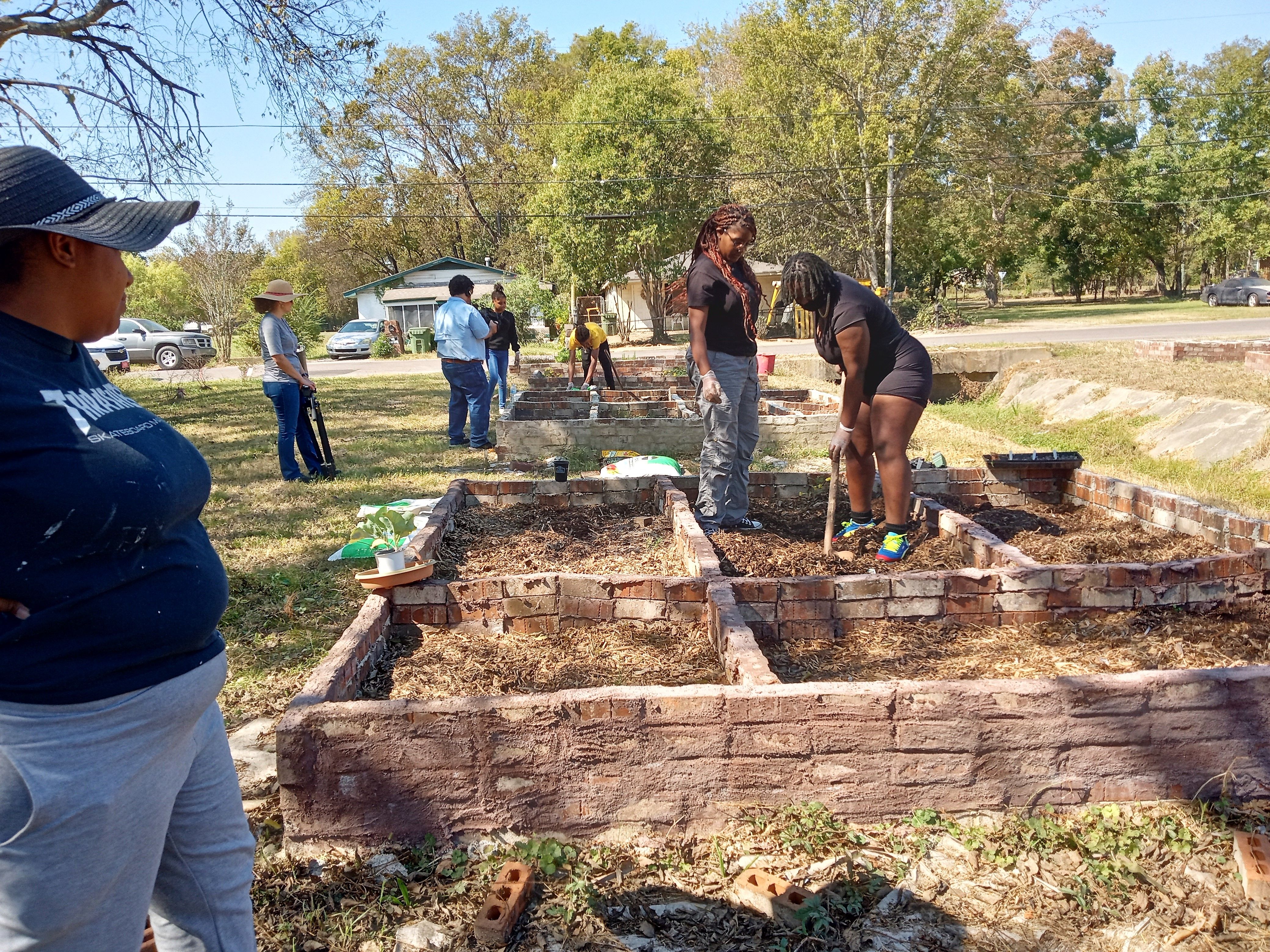
Bradley launched the nonprofit organization Legacy Heritage with a plan to transform the wooded lot into a community garden. She worked with neighbors and city agencies on plans to maintain the land, including a city-owned drainage ditch. By the end of 2023, 10 beds were installed, and a winter crop was in the ground.
But Legacy Heritage immediately had to adjust to setbacks and challenges. In January 2024, the site flooded, destroying the winter crop. The food was lost and could not be used as compost, because the stormwater was toxic, Bradley said. Forced to close for a season, Bradley worked to come up with funding to create 40 raised beds and start growing again. She trained as an Alabama Master Gardener and connected with other professionals doing similar work.
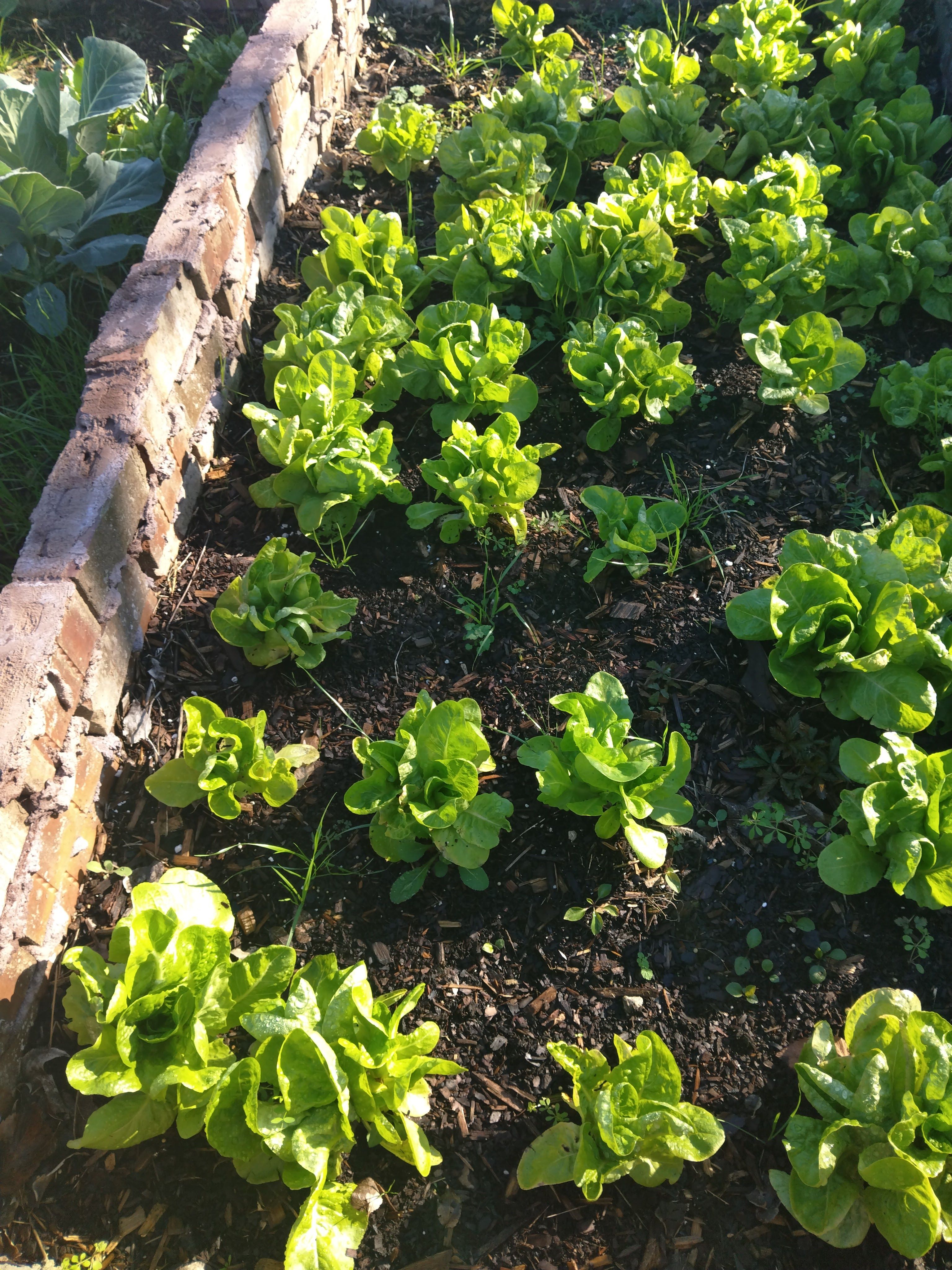
In 2025, the raised beds were a success, providing food for nursing homes and community centers. Supported by donations, Legacy Heritage developed nutritional education. Tomatoes, onions, red and green kale, and lettuce are among the staples, along with yardlong beans, an economical source of food.
The ground-level beds contain “trap plants,” basil, oregano, lemon balm, and other perennials that attract and feed the bugs, which then leave the food alone. “We have to have something for everybody,” Bradley says.
The organization developed stormwater-smart initiatives to mitigate flooding. But the challenges kept coming. Despite a successful harvest, Legacy Heritage had difficulty bringing volunteers back after the lost year. Federal funding dropped, and it was necessary to diversify Legacy Heritage’s funding sources.
In December 2025, Legacy Heritage received the Garden Conservancy’s Page Dickey Grant for American Gardens, a special recognition for distinguished small public gardens. Part of our Garden Futures Grant program, the annual award provides $10,000 in unrestricted funds.
Armed with new knowledge, experience, community feedback, and the new grant, Bradley pivoted again.
This spring, Legacy Heritage is preparing to launch several pilot projects aimed at bringing the garden directly to the people through its Community Bloom Collective. The program focuses on transforming underutilized spaces at apartment communities, schools, and neighborhood centers into small-scale learning gardens, where residents can gain hands-on growing experience.
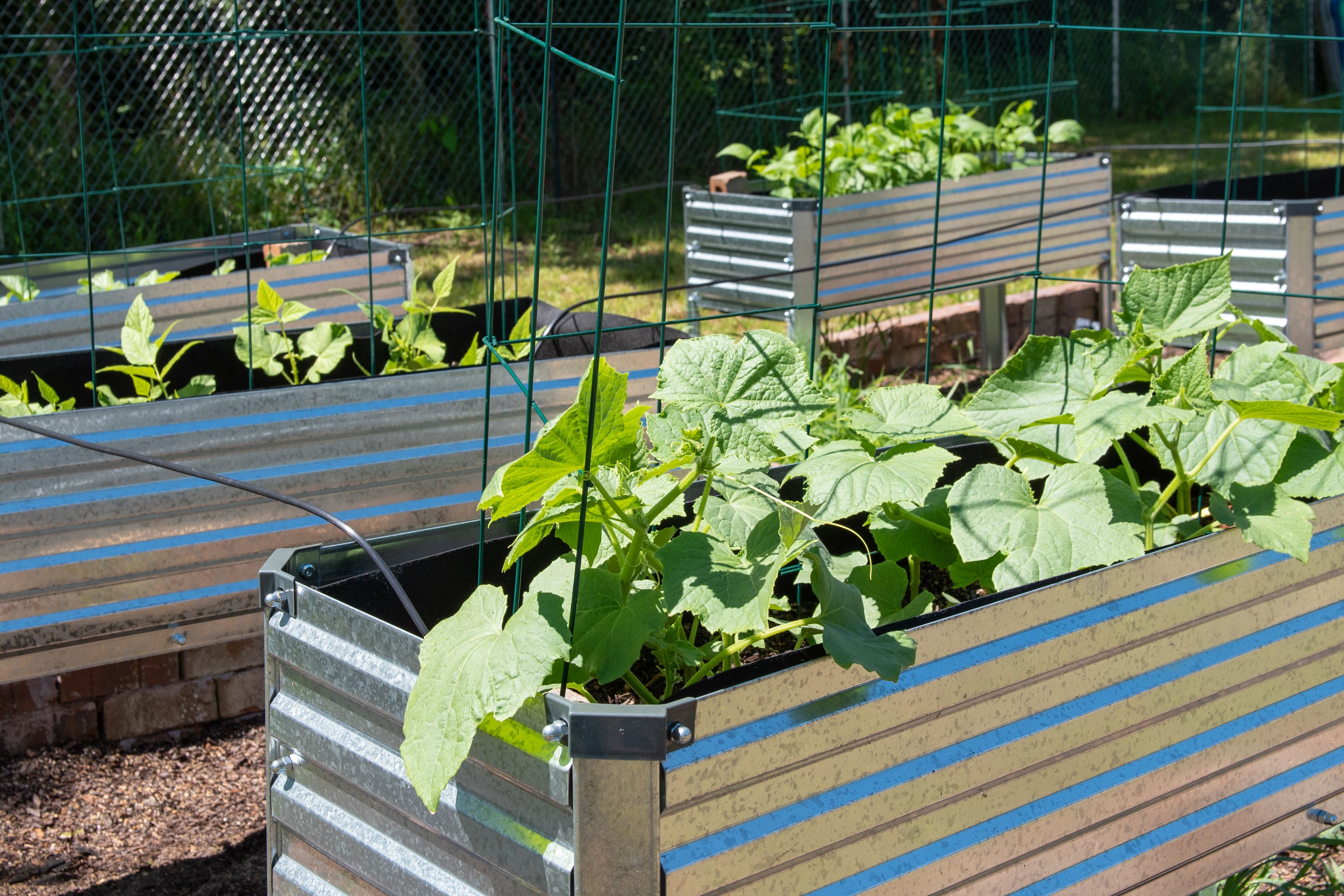
Bradley invites other organizations—including senior apartment communities, schools, community centers, and housing developments—to explore how the program could serve their residents. Through the Community Bloom Collective, participating locations can host demonstration gardens, educational workshops, and resident-led growing programs designed to promote food access, wellness, and practical gardening skills.
“I want people to see what’s possible,” Bradley says. “Sometimes all it takes is a small space, a few seeds, and a group of neighbors willing to learn together.”
Bradley says she has learned a lot about how to keep moving forward with her vision despite the hurdles. One way is by developing connections with others in a field that can feel isolating.
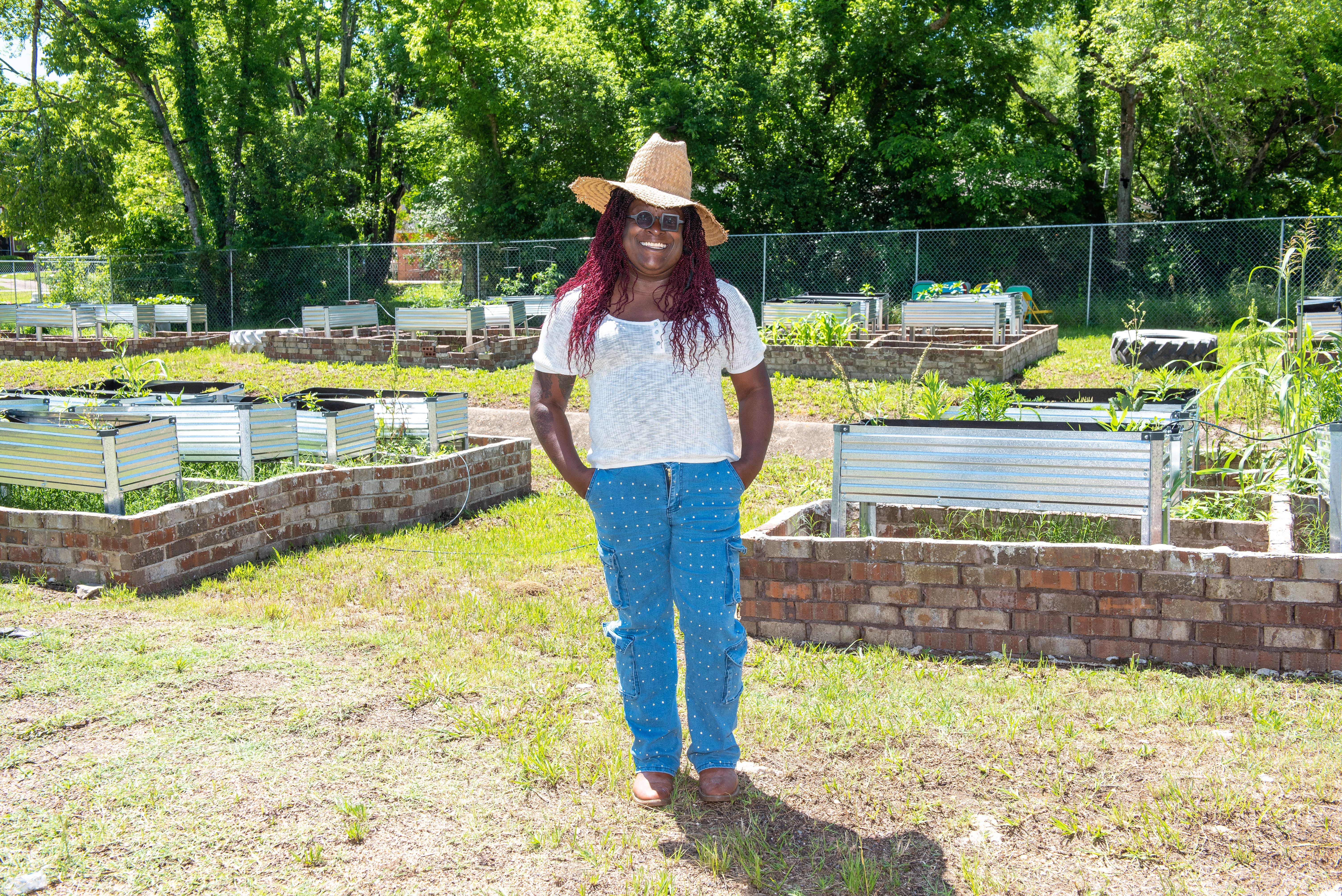
Once again, Bradley is looking to give back.
She sees an opportunity for Legacy Heritage to help strengthen connections among Black women working in agriculture. She welcomes other Black female farmers and growers across the region to reach out for connection, support, and shared learning. Her hope is to organize small friendship and mental health circles where women can talk openly about the challenges of farming and build lasting support networks.
“When you’re out on your own land, doing the work every day, it can get lonely,” she says. “I believe it’s important that we find ways to come together—not just to share knowledge, but to support each other.”
To learn more about Legacy Heritage, lend support, and get in touch, visit: ourlegacyheritage.com. To learn more about the Community Bloom Collective, and how organizations can get involved, visit yourcovidcareful.com.